
When Should a Wart Be Checked by a Doctor?
Most warts are harmless, but that doesn’t mean you should ignore every lump or bump on your skin. If you’ve noticed a wart changing, becoming painful or simply refusing to disappear, you might be wondering whether it’s time to speak to your GP.
Warts are common and often clear without treatment. However, certain symptoms warrant a closer look, especially if you’re unsure whether the growth is actually a wart.
Knowing when to seek medical advice can help you make an informed decision about your skin and avoid treating something that needs further investigation.
What Is a Wart ?
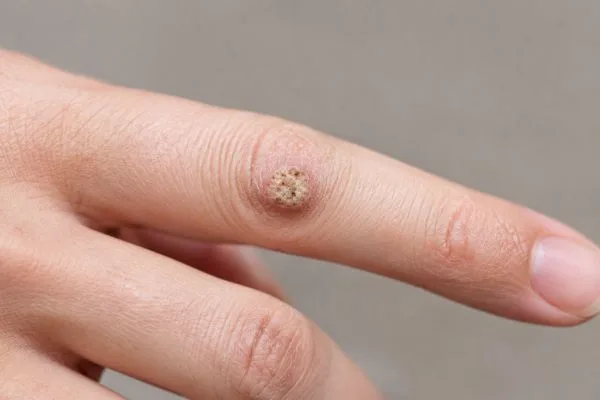
A wart is a small skin growth caused by certain types of human papillomavirus (HPV). The virus affects the outer layers of the skin, sometimes creating a raised, rough or uneven surface.
Warts can develop almost anywhere, although they’re particularly common on the hands, fingers and feet.
You might notice:
- A small, firm lump with a rough surface.
- A growth that’s skin-coloured, brown or darker than the surrounding skin.
- Several small warts appearing close together.
- Tiny dark dots within the wart.
- Occasional tenderness, particularly in areas exposed to pressure.
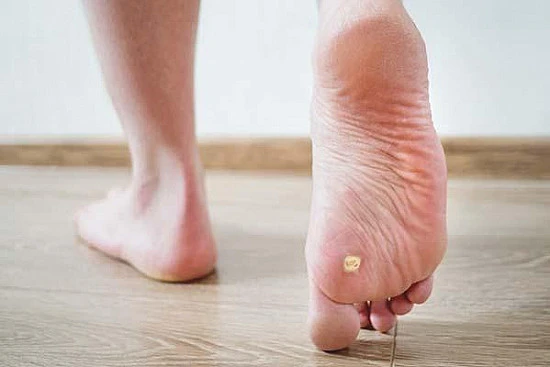
Warts on the soles of the feet are known as verrucas. These can become uncomfortable when walking, especially if they develop on the heel or ball of the foot.
Although most warts aren’t dangerous, other skin conditions can sometimes look similar. That’s why identifying the growth correctly matters before attempting removal.
Related treatment information: Cryosonic Wart Removal
When Should You See a Doctor About a Wart?
You don’t necessarily need a GP appointment for every wart. Many are straightforward and can be managed with a pharmacist’s advice.
However, medical assessment is the more appropriate next step in some cases.
1. Your Wart Is Bleeding or Changing Appearance
A wart that starts bleeding without an obvious injury, changes colour, develops an unusual shape or grows noticeably should be examined by a healthcare professional.
While irritation can sometimes explain bleeding, changes in a skin growth shouldn’t automatically be attributed to a wart.
Other skin conditions can resemble warts, and some require medical investigation rather than cosmetic treatment.
If a growth changes or bleeds unexpectedly, see your GP before considering removal.
2. The Wart Is Becoming Painful
Some warts cause little discomfort, while others become troublesome because of their location.
A wart on your finger might catch against everyday objects. A verruca on your foot can feel uncomfortable whenever you put weight on it.
Pain doesn’t necessarily mean something serious is happening, but a very painful wart or one that interferes with daily activities is worth discussing with your GP.
If you’re struggling to walk comfortably because of a suspected verruca, a podiatrist may also be able to assess the problem.
3. You’re Not Certain It’s a Wart
Not every raised skin growth is caused by HPV.
Corns, calluses, skin tags and certain other skin conditions can sometimes resemble warts. Looking at photos online isn’t always enough to tell them apart.
If you’re unsure what you’re dealing with, avoid applying wart-removal products until a professional has properly assessed the growth.
This is especially important for pigmented, unusual or changing lesions, which may need examination by a doctor or dermatologist.
4. Your Wart Keeps Returning
Warts can be frustratingly persistent.
You might successfully treat a wart only to notice another appearing in the same area months later. This can happen because the HPV infection hasn’t fully cleared or because of a new infection.
Recurring warts aren’t automatically a sign of a serious problem, but the NHS recommends speaking to your GP if a wart or verruca keeps coming back.
Your GP can consider whether further treatment or specialist assessment is appropriate.
5. The Wart Is on Your Face or Genital Area
A wart’s location can influence which treatments are suitable.
Facial skin requires particular care, and you should never use some over-the-counter wart treatments on the face.
The NHS advises GP assessment for suspected facial warts. An appropriate sexual health service should assess growths around the genitals or anus, as genital warts require different management.
Avoid attempting to freeze, cut or chemically remove these growths yourself.
6. You Have Diabetes or a Weakened Immune System
Some health conditions can make treating warts more complicated.
If you have diabetes, poor circulation, reduced sensation in your feet or a weakened immune system, it’s sensible to seek professional advice before attempting wart removal.
These circumstances can affect healing, increase the risk of complications, or make warts harder to manage.
A healthcare professional can advise on suitable treatment options based on your medical history.
Can a Wart Go Away Without Treatment?
Yes. Many warts disappear naturally as the immune system responds to the HPV infection.
The difficulty is predicting when that will happen.
Some clear within months, while others remain for several years. Children often experience spontaneous clearance, and adults can too.
If a wart isn’t painful, changing or causing any problems, leaving it alone may be a reasonable option.
However, if you’re concerned about how it looks, where it’s growing, or whether it’s actually a wart, there’s no need to wait to seek advice.
What Happens When a Doctor Checks a Wart?
In many cases, a GP can assess a suspected wart by examining its appearance and asking a few questions.
They may want to know:
- How long the growth has been present.
- Whether its size, shape or colour has changed.
- Whether it bleeds, hurts or becomes irritated.
- Whether you’ve tried any treatments.
- Whether you have relevant medical conditions.
If the diagnosis isn’t clear, your GP may recommend further assessment by a dermatologist or another appropriate specialist.
Sometimes an additional examination or biopsy is needed to identify an unusual skin lesion.
Not every wart requires testing, but a growth needing medical investigation mustn’t be frozen or removed for cosmetic reasons.
What Wart Removal Treatments Are Available?
If a wart is appropriately identified and treatment is suitable, several options are available.
Pharmacy Wart Treatments
Pharmacies commonly offer products containing salicylic acid.
These gradually remove layers of affected skin. Treatment often requires repeated applications over several weeks and may irritate.
A pharmacist can advise whether a particular product is suitable for you.
Cryotherapy for Warts
Cryotherapy uses very low temperatures to freeze targeted skin tissue.
It is one option for treating certain warts, although results vary depending on the wart’s location, size and response to treatment.
Some warts need more than one session, and treatment can cause temporary discomfort, blistering, pigmentation changes, or, occasionally, scarring.
Cryotherapy doesn’t guarantee that a wart will disappear permanently.
At Cryosonic, CryoPen treatment is available for selected skin blemishes, including suitable warts, following the appropriate checks.
Find out more: Wart Removal Treatment at Cryosonic.
Can Cryosonic Treat Warts at Home?
Cryosonic offers mobile CryoPen appointments across selected locations in England and Wales so that suitable treatments can take place in your home.
Before treatment, it’s important to establish that the skin growth is appropriate for cosmetic cryotherapy.
If a lesion is unusual, changing, bleeding without explanation or cannot be confidently identified, medical assessment may be required before treatment can be considered.
For suitable warts, CryoPen uses controlled freezing to affect the targeted tissue. Responses vary, and further treatment may sometimes be necessary.
The Cryosonic team can explain the procedure, possible side effects, aftercare and costs before you decide whether to proceed.
Explore: Cryosonic CryoPen Treatment
Can You Prevent Warts from Spreading?
Warts are caused by a virus, which means they can spread through direct contact or contaminated surfaces.
Although you can’t eliminate the risk, a few everyday habits may help:
- Avoid picking or scratching existing warts.
- Wash your hands after touching a wart.
- Don’t share towels, socks or footwear.
- Wear footwear in communal changing rooms and showers.
- Cover warts and verrucas when swimming.
- Take care when shaving around affected skin.
If you have a verruca, keeping your feet clean and changing your socks regularly can also help reduce the likelihood of spreading the virus.
Frequently Asked Questions About Warts and Medical Assessment
1. How do I know if a wart needs medical attention?
A GP should check a wart if it bleeds unexpectedly, changes appearance, becomes very painful, keeps returning, or is particularly large. You should also seek advice if you’re unsure whether the growth is a wart.
2. Can a wart be mistaken for skin cancer?
Yes. Some skin cancers and other skin conditions can resemble ordinary warts. A new, changing, bleeding or unusual growth should be assessed by a healthcare professional rather than treated as a wart without a diagnosis.
3. Is a bleeding wart dangerous?
Not necessarily. Warts can bleed if they’re knocked, scratched or caught while shaving. However, unexplained or repeated bleeding should be checked by a GP, particularly if the growth is also changing.
4. Should I see a doctor if my wart is getting bigger?
If a wart is growing noticeably, changing shape or developing an unusual appearance, arrange a medical assessment. Although warts can increase in size, growth alone doesn’t confirm what the lesion is.
5. How long should I leave a wart before seeing a doctor?
There’s no fixed waiting period. Some warts can disappear without treatment, but seek advice sooner if the growth is painful, changing, bleeding, recurring, or difficult to identify.
6. Can I have a wart frozen without seeing my GP?
Some clearly identified, uncomplicated warts may be suitable for treatment without a separate GP appointment. However, this depends on the lesion, its location and your medical history. If you’re unsure of the diagnosis or have concerning symptoms, seek a medical assessment first.
7. What happens if a wart doesn’t respond to treatment?
Some warts resist treatment or return afterwards. If a wart persists despite appropriate treatment, your GP can review the diagnosis and discuss whether another treatment or specialist referral is necessary.
8. Can children have warts removed?
Warts are common in children and often disappear on their own. Treatment isn’t always necessary. If a child’s wart is painful, unusual or causing significant problems, seek appropriate medical advice. Treatment suitability depends on the child’s age, the lesion and individual circumstances.
9. Are verrucas more serious than ordinary warts?
Verrucas are warts that develop on the feet. They’re usually harmless but can become painful because of pressure from standing or walking. A very painful, changing or persistent verruca should be assessed, particularly if you have diabetes or circulation problems.
Read more: Cryosonic Verrucae Treatment.
10. Can a wart come back after CryoPen treatment?
Yes. Cryotherapy may remove visible wart tissue, but recurrence remains possible. No wart removal treatment can guarantee permanent clearance, and some people require additional sessions.
11. Is it safe to cut a wart off yourself?
No. Cutting a wart yourself can cause bleeding, infection, scarring and potentially spread the virus. It may also delay diagnosis if the growth isn’t actually a wart. Instead, speak to a pharmacist or healthcare professional about suitable options.
12. When should I avoid using over-the-counter wart removers?
Avoid using wart-removal products on unidentified growths, changing lesions, the face or the genital area. If you have diabetes, poor circulation, reduced sensation or a weakened immune system, seek professional advice before using these products.
Considering Wart Removal? Speak to Cryosonic
Warts are common, and most aren’t a cause for concern. Nevertheless, knowing when to seek medical advice is an important part of skin care.
If a wart is changing, bleeding, particularly painful or difficult to identify, your GP should be your first point of contact.
For suitable, appropriately assessed warts, Cryosonic offers mobile CryoPen treatment across selected locations in England and Wales.
Our team can discuss the available service, explain what treatment involves and advise whether further medical assessment is needed before proceeding.
Explore your options:
- Cryosonic Wart Removal
- Cryosonic Verrucae Removal
- CryoPen Treatment Information
- Find Your Local Cryosonic Service
- Contact Cryosonic
Medical information: This article provides general information and is not a substitute for individual medical advice, diagnosis or treatment. If you are concerned about a skin growth, contact your GP or an appropriately qualified healthcare professional.