

What are warts
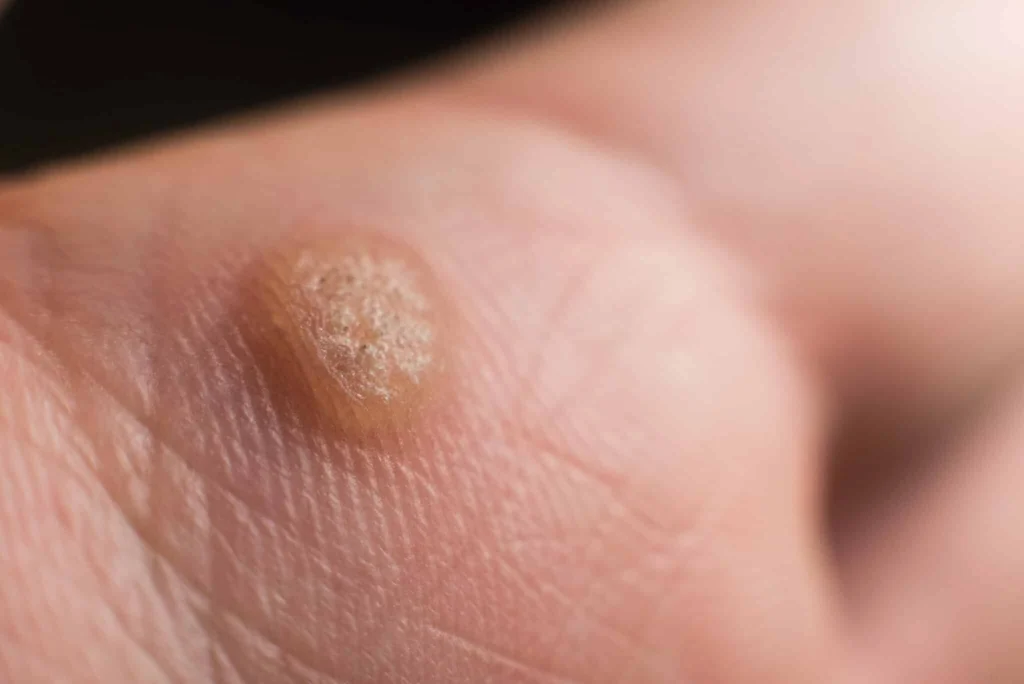
Common warts are often tiny, granular skin growths that appear on the hands and fingers. Warts should be removed using a service called wart removal because they are harsh to the touch and typically have a pattern of tiny, clotted, black dots.
Because the viruses that cause these skin blemishes are spread by touch, people can develop warts. From the time the virus is first exposed to your skin, warts usually appear after six months. Warts are benign and frequently go away on their own. However, because they find them unpleasant and bothersome, many people opt to have wart removal services.
Ways to remove a wart:
Warts can be frustrating, especially when they don’t seem to go away on their own. Many people wonder if they can simply cut a wart off with nail clippers or razors. While it might seem like a quick fix, this DIY approach can lead to more harm than good. Here’s why professional treatments like CryoPen are safer and more effective. Cryopen Treatment is FDA Approved
The Risks of Cutting Warts with Nail Clippers
Warts, including plantar warts and other common types, are caused by the human papillomavirus (HPV). This virus lives in the outer layer of the skin and tends to spread more easily in warm, damp places such as locker rooms and shared shower areas.
It might feel like a quick fix to cut a wart off with nail clippers, but this approach can actually lead to more problems than it solves. In most cases, it carries several important risks, including:
- Spreading the HPV Virus – Cutting a wart can expose tiny blood vessels within the tissue, potentially spreading HPV to other parts of the body or even to those around you.
- Infection – Using nail clippers, especially if not sterilised, can lead to bacterial infections or complications.
- Scarring – Warts grow deep into the skin. Attempting to cut one off leaves an uneven wound, increasing the chance of developing a scar.
- Bleeding and Discomfort – Since warts feed off tiny blood vessels, cutting them often results in excessive bleeding and discomfort, especially on the plantar surface of the foot.
Safer and More Effective Wart Treatments
Instead of DIY methods like nail clippers, razors, or cutting scissors, there are plenty of safer treatment options that target the wart while minimising risks.
1. CryoPen Treatment
CryoPen uses liquid nitrogen to freeze the wart, destroying it at the root while leaving the surrounding skin largely unaffected. It’s a good alternative to surgical removal as it targets the infected tissue directly. The procedure is quick, generally safe, and has a low risk of scarring.
2. Salicylic Acid Treatments
Salicylic acid — this type of medication marketed over the counter works to slowly soften the wart and dissolve its layers. Before that, it is better to soak that place in warm water so as to help absorption. It is a straightforward method, but it must be used regularly and with patience, as results do take several weeks.
3. Laser Treatment
In the case of more persistent warts, laser treatment destroys tiny blood vessels that nourish the wart and causes it to dry up and eventually fall off. It’s very effective, but is generally only offered at dermatology or outpatient specialists. See here: Cryopen: The Safest Mole Removal Treatment
4. Immunotherapy
Some treatments, such as antigen injections, help stimulate the body’s immune system to recognise and fight the virus causing the wart. This option can be useful for people whose immune response is weaker or for those whose other treatments haven’t worked well.
5. Home Remedies with Caution
The duct tape therapy is a popular home remedy by taping the wart, and letting it soften with time. You can carefully use a pumice stone or nail file to break apart the outer skin, but avoid penetrating deeper skin. If you need help or cannot decide what to do, consult an expert.
Prevention is Key
Filiform and plantar warts, for example, are commonly caused by exposure to certain HPV types. Maintaining a healthy immune system could reduce the risk of future outbreaks. Best not to walk barefoot in community areas (lockers, etc.) since this virus can spread.
The HPV vaccine may reduce the risk of contracting some strains that can cause HPV-related conditions, inclusive of cervical cancer.
When to See a Dermatologist
While home remedies and OTC treatments can work for smaller warts (like those the size of a pinhead or pea), larger or stubborn warts should be evaluated by a professional. A dermatologist can provide advanced treatments like CryoPen, laser therapy, or immunotherapy. They also minimise risks such as infection, scarring, and unnecessary discomfort during the healing process.
The Good News
The good news is you don’t have to deal with warts using risky home remedies. Treatments like CryoPen are done professionally and make things a lot simpler, while also lowering the risk of blisters, scarring, or accidentally spreading the virus. It’s a safer, more straightforward way to get your skin back to normal.
If you’re unsure about a wart or the right treatment, it’s always best to get advice from a podiatrist, dermatologist, or GP. When it comes to your skin, safety should always come first.
It is advised against utilising tools like tweezers and nail clippers to manually remove warts at home. If you want it to go away on its own, you shouldn’t touch it. By using these devices, HPV can spread throughout the body and lead to the emergence of new warts.
Cryotherapy is considered a minimally invasive treatment that removes damaged or diseased tissue, such as warts, without the need for open surgery.
This high-precision therapy makes sure that the treatment is delivered precisely without endangering the environment that the skin tissue needs to stay healthy. According to Cryosonic, freezing periungual warts with liquid nitrogen can be an effective treatment, though it is important to note that these warts are caused by HPV and can sometimes lead to nail deformity.
FAQs
Q: Can I safely cut a wart off with nail clippers at home?
Cutting a wart off with nail clippers is never recommended. Not only can this cause significant bleeding, but it also increases the risk of spreading HPV to other parts of your body. Many clients in try this before seeking help and end up with infections or scarring that could have been avoided with professional treatment.
Q: Why is cutting a wart dangerous, even if I sterilise the clippers?
Even sterilised clippers can’t protect you from the viral spread that happens once the wart is cut open. According to Cryosonic, warts develop in the epidermis, which is the upper layer of the skin. Cutting or attempting to remove warts yourself can still cause the virus to spread, so experts recommend seeing a medical professional rather than trying DIY wart removal.
Q: Who should not receive CryoPen treatment?
Women who are pregnant or nursing, as well as individuals who have autoimmune diseases or cold sensitivity, should not undergo CryoPen treatment. Additionally, it is not recommended for people who have keloid scarring issues.
Q: What happens if I accidentally cut into a wart?
If you cut into a wart, it can bleed quite a bit because there are tiny blood vessels inside it. There’s also a chance of bacteria getting into the open skin, which may lead to an infection. If this does happen, clean the area well and try to get it checked by a professional as soon as you can, especially if CryoPen treatment is available nearby.
Q: Is CryoPen a better option than trying to cut a wart off?
Yes, CryoPen is definitely a much safer option than trying to cut a wart off yourself. It works by freezing the wart from the root, which helps break down the infected tissue without damaging the surrounding skin. Unlike cutting or clipping it at home, it also reduces the chance of the virus spreading or ending up with a scar.
Q: Can children use the CryoPe for treatment?
Yes, we frequently work with younger customers. Before your kid’s treatment, you will be required to sign an adult approval form. During the consultation, we will ensure your child is comfortable and aware of what will happen.
For Further Information, Please Call Us: 03300 100 392